
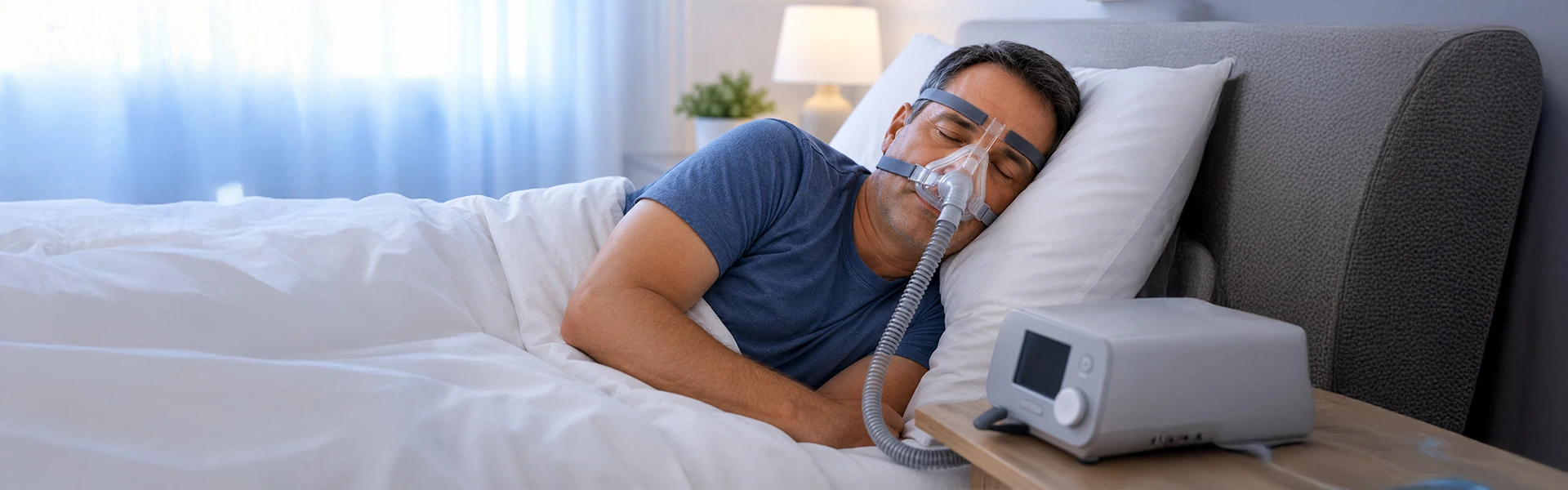
Sleep Apnea Treatment Solutions Your Dentist May Recommend
Sleep apnea is a common sleep-related breathing disorder that affects millions of adults. While many people associate the condition with loud snoring, obstructive sleep apnea involves repeated airway blockage that can interfere with normal breathing throughout the night. These breathing disruptions may reduce oxygen levels, fragment sleep, and contribute to daytime fatigue and other health concerns.
People researching sleep apnea treatment in Converse, TX, options are often surprised to learn that dentists may play a role in managing certain sleep-related breathing disorders. Although diagnosis typically requires a physician or sleep specialist, dental professionals may help identify warning signs and provide oral appliance therapy for appropriately selected patients.
Why Sleep Apnea Is More Than Just Snoring
Snoring occurs when airflow causes soft tissues in the airway to vibrate during sleep. While snoring is common, obstructive sleep apnea involves repeated episodes in which the airway becomes partially or completely blocked.
When airflow is restricted, the brain briefly alerts the body to restore normal breathing. These breathing events can occur repeatedly throughout the night, often without the individual remembering them the next morning.
Although a person may spend enough time in bed, repeated airway obstruction can prevent normal sleep cycles and reduce overall sleep quality.
Common Symptoms of Obstructive Sleep Apnea
In many cases, family members or sleep partners are the first to notice symptoms.
Common signs may include:
- Loud or chronic snoring
- Pauses in breathing during sleep
- Gasping or choking during the night
- Morning headaches
- Dry mouth upon waking
- Excessive daytime sleepiness
- Difficulty concentrating
- Irritability or mood changes
A dentist for sleep apnea in Converse may identify oral signs associated with the condition, helping guide patients toward appropriate evaluation and further assessment.
How Dentists Help Identify Sleep Breathing Disorders
Routine dental examinations sometimes reveal findings associated with sleep-disordered breathing. Dentists may observe excessive tooth wear from nighttime grinding, tongue scalloping, airway-related anatomical concerns, or other indicators that warrant further investigation.
While dentists do not independently diagnose obstructive sleep apnea, they frequently participate in the screening process. Patients who display warning signs may be referred for medical evaluation and sleep testing.
Because many adults visit their dentist regularly, routine examinations can contribute to earlier recognition of sleep-related breathing concerns.
Oral Appliance Therapy as a Treatment Option
Once a diagnosis has been confirmed through appropriate medical evaluation and a sleep study, oral appliance therapy may be considered for certain individuals.
Oral appliance therapy is part of dental sleep medicine, a field focused on managing selected sleep-related breathing disorders through custom oral devices. Designed for nighttime use, these appliances help move the lower jaw forward, which may assist in maintaining a more open and stable airway during sleep.
By reducing airway collapse, oral appliances may improve nighttime breathing for appropriately selected patients. Many individuals searching for a sleep apnea dentist near me are interested in oral appliance therapy because it may provide an alternative for people who struggle with CPAP use or who have been advised to explore other treatment options.
Benefits of Dental Sleep Apnea Appliances
For qualified patients, oral appliances may offer several practical advantages.
Potential benefits include:
- Custom-designed fit
- Quiet operation
- Convenient travel use
- Simple maintenance
- Greater comfort for some individuals compared with other therapies
Eligibility depends on sleep study findings, airway anatomy, symptom severity, and overall medical history.
What Patients Can Expect During Treatment
Treatment generally begins with a review of sleep study results, symptoms, medical history, and oral health findings.
If oral appliance therapy is recommended, digital scans or impressions are used to create a customized device. Once delivered, the appliance may be adjusted over time to improve comfort and effectiveness.
Follow-up appointments allow providers to evaluate appliance performance, monitor symptom changes, and make modifications when necessary.
Successful management often involves collaboration among dentists, physicians, and sleep specialists to help ensure continuity of care. If you are looking for a dentist in Converse, a consultation can help determine whether oral appliance therapy may be an appropriate part of your care plan.
Long-Term Health Risks of Untreated Sleep Apnea
Sleep apnea affects more than just sleep quality. Repeated oxygen disruptions and fragmented sleep can place stress on multiple body systems over time.
Research has linked untreated obstructive sleep apnea with increased risks of:
- High blood pressure
- Cardiovascular disease
- Stroke
- Type 2 diabetes
- Excessive daytime fatigue
- Increased accident risk related to drowsiness
Prompt evaluation allows healthcare providers to discuss management options before symptoms and associated health concerns become more difficult to address.
Finding a Sleep Apnea Dentist Near You in Converse, TX
Experience in dental sleep medicine can be valuable when determining whether oral appliance therapy aligns with a patient’s diagnosis and treatment goals.
At Kitty Hawk Family Dentistry, patients receive individualized evaluations based on sleep-related symptoms, oral health findings, and physician recommendations. Oral appliance therapy is offered as part of a collaborative approach to helping patients manage certain sleep-related breathing disorders.
Individuals who begin their search with a dentist near me in Converse are often surprised to learn that certain dentists offer oral appliance therapy as a treatment option for sleep apnea under the guidance of a physician.
Frequently Asked Questions
A dentist may recognize signs of sleep apnea, but the diagnosis is generally made by a physician or sleep specialist using a sleep study or other appropriate testing.
Oral appliances are custom-made devices worn during sleep that help reduce airway obstruction by moving the lower jaw forward and promoting better airflow.
Eligibility depends on sleep study findings, airway anatomy, symptom severity, oral health, and recommendations from the healthcare professionals involved in treatment.
For some individuals, oral appliance therapy may be recommended as an alternative or adjunctive treatment. The most appropriate option depends on the patient's diagnosis and physician guidance.
In some cases, oral appliances may help reduce snoring associated with airway obstruction. Effectiveness depends on the cause of the snoring and the individual's diagnosis.